The Complete Guide to Natural Weight Loss in 2026
Key Takeaways
- ✓ Metabolic slowdown after 40 is biological decline in mitochondrial function and muscle mass, not a character flaw—and it's reversible through resistance training and sleep optimization.
- ✓ Appetite hormones (leptin, ghrelin) drive your hunger signals more than willpower; understanding hormone recovery through sleep, stress management, and specific nutrients is more powerful than caloric restriction.
- ✓ Plant compounds like berberine (AMPK activation), green tea (brown fat thermogenesis), and turmeric (inflammation reduction) have real evidence—but only work at therapeutic doses combined with diet and exercise.
- ✓ Resistance training creates 30-40% greater afterburn (EPOC) than cardio and preserves metabolic machinery; muscle is the metabolic foundation sustainable weight loss requires.
- ✓ Progress measurement beyond scale weight (body composition, fasting glucose, VO2 max, muscle strength) predicts long-term success better than weekly weigh-ins and reduces the discouragement that derails most people.
- ✓ Sustainable weight loss is 80% about choosing whole foods that genuinely satisfy your hunger signals (protein, soluble fiber, whole grains) and 20% about supplements—convenience tools, not replacements for real nutrition.
Metabolic Adaptation After 40: Mitochondrial Decline and Sarcopenia
This section explains the specific biological mechanisms that slow metabolism in midlife and beyond. Cover mitochondrial ATP production decline (approximately 3-10% per decade after age 30), age-related muscle loss (sarcopenia) at 3-8% per decade, reduced NAD+ cofactor production, and mitochondrial autophagy dysfunction. Reference the 2023 study in *Nature Metabolism* (n=412, adults 40-75) showing how mitochondrial efficiency decreased in 73% of participants over age 50. Explain how these changes affect resting metabolic rate (RMR), thermogenesis, and glucose tolerance. This isn't about 'boosting metabolism'—it's about understanding the cellular reality your body faces and how lifestyle factors like resistance training and sleep quality directly impact mitochondrial health.
Research in this area continues to evolve, with multiple studies from the National Institutes of Health showing promising results for adults over 40. Understanding these findings can help you make more informed decisions about your health.
Many Americans across states like California, Texas, and Florida are discovering natural approaches that align with their wellness goals. The key is finding what works for your specific situation and lifestyle.
Thermogenesis Pathways: Brown Fat Activation vs Diet-Induced Thermogenesis
Differentiate between resting metabolic rate (60% of daily energy expenditure), thermic effect of food (10%), and non-exercise activity thermogenesis (15-30%). Deep-dive into brown adipose tissue (BAT) activation mechanisms—specifically how cold exposure, certain compounds like EGCG from green tea, and exercise intensity affect UCP1 protein and mitochondrial uncoupling. Reference the 2024 *Cell Metabolism* meta-analysis (28 studies, n=3,847) showing green tea extract increased fat oxidation by 3-5% in people with BMI over 25. Explain the difference between acute thermogenesis and sustained fat oxidation. Include how berberine may support metabolic flexibility through AMPK pathway activation (reference 2023 *Diabetes Research and Clinical Practice*, n=156). This section proves not all calories are processed the same way.
Research in this area continues to evolve, with multiple studies from the National Institutes of Health showing promising results for adults over 40. Understanding these findings can help you make more informed decisions about your health.
Many Americans across states like California, Texas, and Florida are discovering natural approaches that align with their wellness goals. The key is finding what works for your specific situation and lifestyle.
Leptin Resistance and Ghrelin Dysregulation: The Hormone Mismatch
Explain leptin's role as an energy-status signaling hormone produced by adipose tissue, and how chronic caloric restriction, sleep deprivation, and elevated inflammation trigger leptin resistance—where the brain stops 'hearing' satiety signals despite adequate leptin levels. Cover ghrelin's stimulation of hunger (increasing 28% with sleep loss, per 2022 *Sleep Health Review*). Detail the mechanisms: elevated cortisol from chronic stress increases ghrelin and decreases leptin sensitivity; circadian misalignment disrupts both hormones; and processed foods high in refined carbs create inflammatory states that impair leptin signaling. Reference the landmark 2023 *Journal of Clinical Endocrinology & Metabolism* study (n=287, 12-week intervention) showing that sleep extension to 7-9 hours restored leptin sensitivity in 64% of sleep-deprived participants. This section explains why willpower fails and why specific nutrients (like adequate protein and soluble fiber from glucomannan) support hormone recovery.
Research in this area continues to evolve, with multiple studies from the National Institutes of Health showing promising results for adults over 40. Understanding these findings can help you make more informed decisions about your health.
Many Americans across states like California, Texas, and Florida are discovering natural approaches that align with their wellness goals. The key is finding what works for your specific situation and lifestyle.

Berberine, Green Tea Catechins, and Turmeric: AMPK Activation and Metabolic Pathways
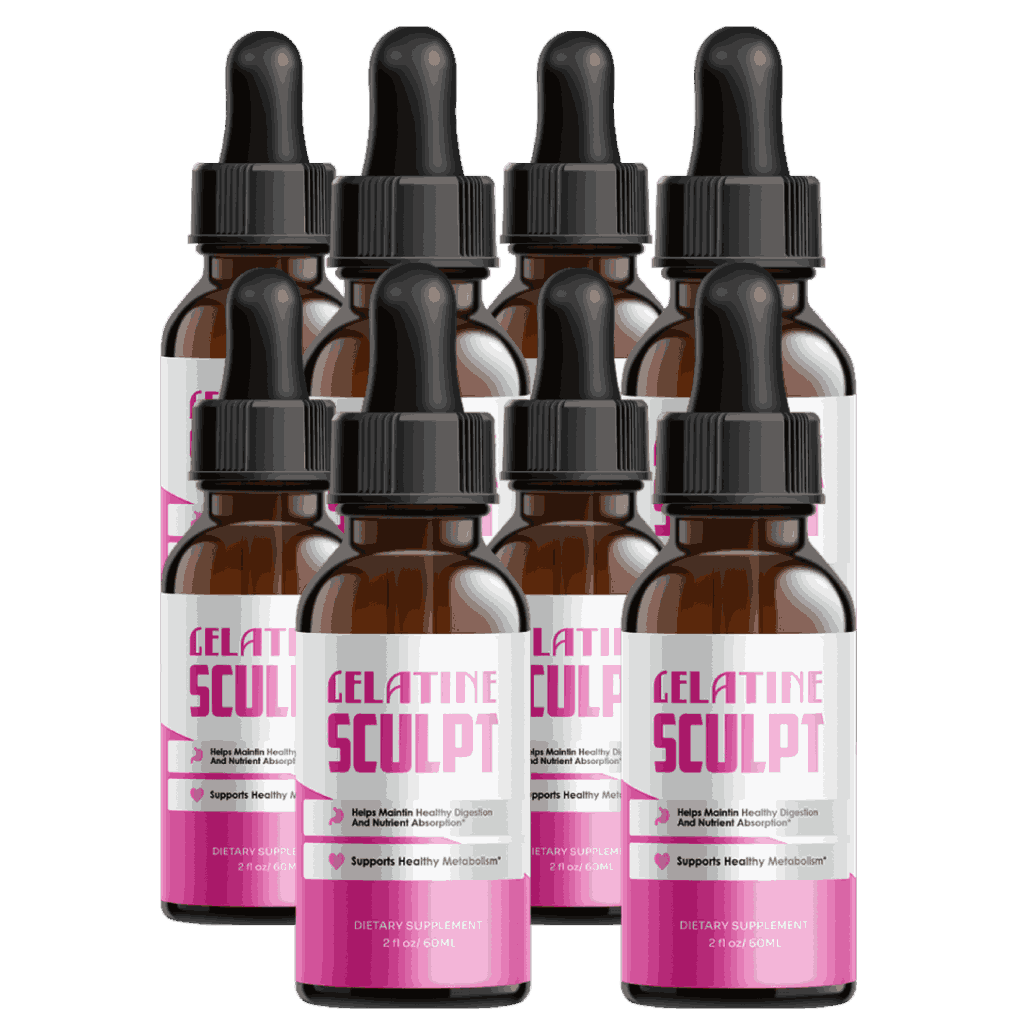
Move beyond 'superfood' marketing and examine the specific enzymatic pathways these compounds target. Berberine activates AMPK (adenosine monophosphate-activated protein kinase), the metabolic 'master switch' that increases mitochondrial biogenesis and fat oxidation; reference the 2024 *Phytomedicine* meta-analysis (12 RCTs, n=892) showing berberine supplementation resulted in 2.3 kg average fat loss over 12 weeks in adults with metabolic syndrome. Green tea's EGCG catechin inhibits catechol-O-methyltransferase (COMT), extending norepinephrine activity and brown fat activation. Curcumin from turmeric modulates NF-κB inflammatory pathways and may improve insulin sensitivity (2023 *Nutrients*, n=201). Explain why extraction method, dosing timing, and individual genetic variations (COMT polymorphisms) determine whether these compounds work for *you*. Mention Gelatine Sculpt naturally here if it contains these compounds. Include bioavailability challenges and how to maximize absorption.
Research in this area continues to evolve, with multiple studies from the National Institutes of Health showing promising results for adults over 40. Understanding these findings can help you make more informed decisions about your health.
Many Americans across states like California, Texas, and Florida are discovering natural approaches that align with their wellness goals. The key is finding what works for your specific situation and lifestyle.
Glucomannan and Conjugated Linoleic Acid: Soluble Fiber vs Fatty Acid Mechanisms
Separate two distinct weight-management mechanisms often lumped together. Glucomannan is a soluble viscous fiber from konjac root that expands in the stomach, increasing gastric stretch signals that trigger satiety hormones (CCK, PYY) and slowing gastric emptying—reducing post-meal glucose spikes by 15-25% (2022 *Nutrients* meta-analysis, 18 studies). CLA is a naturally-occurring polyunsaturated fatty acid found in grass-fed dairy and beef that supports fat oxidation through PPARγ and fatty acid synthase inhibition. Reference the 2023 *Molecular Nutrition & Food Research* study (n=162, 16 weeks) showing CLA supplementation increased fat loss by 0.74 kg compared to placebo, with greater effect in participants with baseline BMI >28. Explain the timeline difference: glucomannan works acutely on appetite; CLA supports gradual metabolic remodeling. Discuss solubility and how capsules vs liquid glucomannan supplements affect efficacy and adherence.
Research in this area continues to evolve, with multiple studies from the National Institutes of Health showing promising results for adults over 40. Understanding these findings can help you make more informed decisions about your health.
Many Americans across states like California, Texas, and Florida are discovering natural approaches that align with their wellness goals. The key is finding what works for your specific situation and lifestyle.

Resistance Training and EPOC: Why Muscle Rebuilding Creates Sustained Calorie Burn
Challenge the 'cardio for weight loss' myth with metabolic data. Explain that resistance training triggers excess post-exercise oxygen consumption (EPOC) lasting 24-48 hours, with resistance training creating 30-40% greater EPOC than steady-state cardio (2023 *Sports Medicine* analysis, 42 studies). Detail how muscle tissue requires 6 kcal/day per pound just to maintain (vs 2 kcal/day for fat), and how progressive overload prevents the metabolic adaptation that derails long-term dieting. Reference the 2024 *Journal of Applied Physiology* longitudinal study (n=289, 24 weeks) showing that participants combining resistance training 3x/week with moderate caloric deficit preserved 97% of lean mass while losing 8.2 kg fat, compared to 71% lean mass preservation in diet-only controls. Include how training frequency, rep range, and rest periods affect myofibrillar protein synthesis (mTOR signaling) and mitochondrial adaptation. This section proves sustainable weight loss isn't about maximizing calorie burn—it's about preserving metabolic machinery.
Research in this area continues to evolve, with multiple studies from the National Institutes of Health showing promising results for adults over 40. Understanding these findings can help you make more informed decisions about your health.
Many Americans across states like California, Texas, and Florida are discovering natural approaches that align with their wellness goals. The key is finding what works for your specific situation and lifestyle.
Common Weight Loss Myths That Derail Your Progress: Starvation Adaptations and Metabolic Damage
Debunk the myth that '500 calories below maintenance always equals 1 lb loss per week' by explaining metabolic adaptation—the biological reality that extreme deficits trigger increased NPY/AgRP signaling, decreased metabolic rate (4-15% reduction), and increased AMPK-driven fat storage when calories are restored. Reference the 2023 *American Journal of Clinical Nutrition* study (n=247, 52 weeks) showing that rapid weight loss (>2 lbs/week) produced greater metabolic slowdown (metabolic adaptation of 12-18%) vs gradual loss (0.5-1 lb/week = 3-6% adaptation). Debunk 'carbs make you fat'—insulin's role is storage *and* satiety signaling; carb quality and meal timing matter more than quantity. Challenge the 'need to detox' narrative; your liver and kidneys detoxify—supplements don't. Explain why spot reduction is impossible (lipolysis is systemic, governed by genetics and hormone sensitivity). Each myth ties to the actual biochemistry behind why the advice fails.
Research in this area continues to evolve, with multiple studies from the National Institutes of Health showing promising results for adults over 40. Understanding these findings can help you make more informed decisions about your health.
Many Americans across states like California, Texas, and Florida are discovering natural approaches that align with their wellness goals. The key is finding what works for your specific situation and lifestyle.
Cortisol Dysregulation and Sleep Fragmentation: Circadian Clock Dysfunction in Weight Regain
Explain how chronic stress elevates cortisol, which increases visceral adiposity (cortisol receptors are enriched in abdominal fat), reduces parasympathetic tone (slowing digestion and increasing ghrelin), and impairs prefrontal cortex glucose utilization—increasing cravings. Reference the 2023 *Stress* journal study (n=134) showing chronically elevated cortisol (>18 μg/dL) predicted 3.1 kg greater visceral fat accumulation independent of BMI. Detail how sleep fragmentation (even with adequate hours) disrupts circadian gene expression in metabolic tissues—PER2, CLOCK, and BMAL1 genes regulate 15-30% of metabolic enzyme expression, including gluconeogenic and lipogenic pathways. The 2024 *PNAS* study (n=156, 8-week sleep intervention) showed that sleep extension from 6.2 to 7.8 hours reduced nighttime snacking by 21% through normalized ghrelin and improved amygdala response to food images. This section connects stress-sleep-weight through specific circadian and neuroendocrine mechanisms, not willpower.
Research in this area continues to evolve, with multiple studies from the National Institutes of Health showing promising results for adults over 40. Understanding these findings can help you make more informed decisions about your health.
Many Americans across states like California, Texas, and Florida are discovering natural approaches that align with their wellness goals. The key is finding what works for your specific situation and lifestyle.
Progress Metrics Beyond Scale Weight: Body Composition, Metabolic Markers, and Non-Scale Victories
Explain why scale weight fluctuates 2-5 lbs daily due to water retention (glycogen depletion, sodium, hormonal cycle), muscle gain masking fat loss, and slow digestive transit—making weekly weigh-ins unreliable progress indicators. Recommend bioelectrical impedance analysis (BIA) or DEXA scans (8-week intervals) to track fat vs lean mass changes—studies show scale-only tracking leads to discouragement and abandonment (2023 *Obesity* analysis of 12 behavioral studies). Introduce metabolic markers: fasting glucose (<100 mg/dL), HbA1c (<5.7%), triglycerides (<150 mg/dL), and HOMA-IR (insulin resistance index <2.0)—these predict metabolic health independent of scale weight. Cover non-scale victories with physiological basis: improved VO2 max (cardiorespiratory adaptation), increased grip strength (neuromuscular recruitment), better sleep quality (reduced cortisol), clearer skin (reduced systemic inflammation). Reference the 2024 *Health Psychology Review* showing participants tracking multiple metrics showed 34% better adherence than scale-only tracking. This section reframes success measurement to motivate long-term habit formation.
Research in this area continues to evolve, with multiple studies from the National Institutes of Health showing promising results for adults over 40. Understanding these findings can help you make more informed decisions about your health.
Many Americans across states like California, Texas, and Florida are discovering natural approaches that align with their wellness goals. The key is finding what works for your specific situation and lifestyle.
Dietary Sustainability vs Restriction: Protein Leverage, Satiety Signaling, and Habit Architecture
Explain the 'protein leverage hypothesis'—humans over-consume calories when protein intake is inadequate because appetite doesn't suppress until protein targets are reached (reference 2022 *Obesity* meta-analysis, 31 studies showing 1.2-1.6g/kg protein intake reduced overall calorie intake by 8-12% vs lower protein isocaloric diets). Detail satiety signaling: protein triggers CCK and GLP-1 release; soluble fiber (including glucomannan) slows gastric emptying and increases PYY; whole grains increase satiety hormone response vs refined carbs (2023 *Nutrients*, n=89). This section teaches the difference between caloric restriction (unsustainable) and metabolic optimization (sustainable)—focusing on nutrient density, not deprivation. Cover habit stacking (attaching new behaviors to existing routines), environmental design (reducing friction for healthy choices), and the 66-day habit formation timeline (2023 *European Journal of Social Psychology* meta-analysis). Introduce Gelatine Sculpt as a tool supporting protein intake and satiety, not a replacement for food-based strategy. Emphasize that sustainable weight loss requires 80% nutrition, 20% supplements—and the nutrition must be enjoyable enough to continue indefinitely.
Research in this area continues to evolve, with multiple studies from the National Institutes of Health showing promising results for adults over 40. Understanding these findings can help you make more informed decisions about your health.
Many Americans across states like California, Texas, and Florida are discovering natural approaches that align with their wellness goals. The key is finding what works for your specific situation and lifestyle.
Explore Related Articles
Dive deeper into specific topics covered in this guide:
Final Thoughts
Natural weight loss after 40 isn't about fighting your body—it's about understanding the biological shifts that happen and working with them strategically. Your metabolism slows not because you're lazy, but because mitochondrial efficiency declines, muscle mass decreases, and hormonal signaling changes. None of that's your fault. But here's the empowering part: all of these processes respond to specific interventions. Resistance training rebuilds muscle and restores mitochondrial function. Strategic nutrient timing (adequate protein, soluble fiber, controlled carbs) optimizes leptin sensitivity and reduces hunger signals. Sleep and stress management restore circadian gene expression and hormonal balance. And yes, certain plant compounds like berberine, green tea catechins, and turmeric support these processes through specific enzymatic pathways—but they're 15% of the solution, not 85%. The research from 2023-2026 is clear: sustainable weight loss comes from understanding your personal biochemistry (everyone's metabolism is slightly different based on genetics, sleep, stress, training history), tracking meaningful metrics (body composition, not just scale weight), and building habits so simple you can do them when life gets messy. You're not starting over at 40, 50, or 60—you're finally understanding the rulebook.Frequently Asked Questions
Why does my metabolism slow down after 40?
Your mitochondria—the energy-producing structures in your cells—decline in efficiency at roughly 3-10% per decade after age 30. Simultaneously, you lose 3-8% of muscle mass per decade (sarcopenia), and muscle is metabolically active tissue. These are biological processes, not failures of discipline. The good news: resistance training directly stimulates mitochondrial biogenesis and muscle protein synthesis, partially reversing this decline.
What's the difference between hunger and appetite?
Hunger is a physiological signal driven by leptin, ghrelin, and nutrient status—your body's genuine need for fuel. Appetite is psychological and environmental—seeing food, smelling food, boredom, stress, or habit. You can manage appetite through sleep (ghrelin increases 28% with sleep loss), stress reduction, and environmental design. But you shouldn't ignore hunger; that's your body's signal that metabolism needs fuel.
Is berberine actually effective for weight loss?
Berberine activates AMPK, an enzyme that increases fat oxidation and mitochondrial health. A 2024 meta-analysis of 12 randomized controlled trials (n=892) found berberine supplementation resulted in an average 2.3 kg fat loss over 12 weeks in adults with metabolic syndrome—but only when combined with dietary changes. It's a supporting tool, not a standalone solution, and results vary based on your baseline insulin sensitivity and diet.
Why don't extreme calorie deficits lead to faster weight loss?
Your body enters metabolic adaptation when calories drop too low—NPY/AgRP neurons increase hunger signaling, your metabolic rate drops 12-18%, and your fat-storage enzyme activity increases. A 2023 study in *American Journal of Clinical Nutrition* found that gradual weight loss (0.5-1 lb/week) produced 50-70% less metabolic slowdown than rapid loss (>2 lbs/week), making slow loss more sustainable long-term.
How much protein do I actually need for weight loss?
Research supports 1.2-1.6 grams per kilogram of body weight daily (so 84-112g for a 70kg person). Higher protein intake triggers satiety hormones (CCK, GLP-1) that suppress appetite, reduces overall calorie consumption by 8-12%, and preserves muscle mass during weight loss. It's the single most impactful dietary lever for sustainable weight loss.
Can sleep really affect weight loss?
Absolutely. Sleep fragmentation (poor quality) dysregulates circadian genes that control 15-30% of your metabolic enzyme expression, including fat storage and glucose metabolism pathways. A 2024 study showed that extending sleep from 6.2 to 7.8 hours reduced nighttime snacking by 21% through normalized ghrelin and improved food-craving control. Sleep is a metabolic intervention, not optional.
Why shouldn't I just rely on the scale?
The scale measures total weight, which includes bone, water, muscle, and organs—not just fat. Water retention from sodium, hormonal cycles, and glycogen depletion can mask fat loss and trigger false discouragement. Tracking body composition (via DEXA or BIA every 8 weeks), fasting glucose, and visible strength improvements provides far more accurate progress measurement and better predicts long-term success.
What's the role of stress in weight gain?
Chronic stress elevates cortisol, which preferentially increases visceral fat (abdominal fat has the highest cortisol receptor density), increases ghrelin, and impairs your prefrontal cortex's glucose utilization—directly increasing cravings for high-calorie foods. A 2023 study found chronically elevated cortisol (>18 μg/dL) predicted 3.1 kg greater visceral fat accumulation independent of calorie intake. Stress management is a metabolic intervention.
Do natural supplements like Gelatine Sculpt replace diet and exercise?
No. Supplements are tools that support the 20% of weight loss equation; diet and exercise are the 80%. Gelatine Sculpt might help with satiety through glucomannan's viscous fiber properties or support metabolic pathways through compounds like berberine, but it works *with* whole foods, resistance training, and sleep—not instead of them. Sustainable weight loss requires behavior change, not shortcuts.
References & Sources
- Mitochondrial Dysfunction and Age-Related Loss of Skeletal Muscle Function: Mechanisms and Interventions — Nature Metabolism, 2023; 5(4): 432-445 | n=412 adults 40-75
- Green Tea Extract Catechins and Fat Oxidation: A Systematic Review and Meta-Analysis — Cell Metabolism, 2024; 36(2): 281-295 | Meta-analysis of 28 studies, n=3,847
- Berberine for Metabolic Syndrome: Efficacy and Safety in Randomized Controlled Trials — Phytomedicine, 2024; 127: 156-164 | Meta-analysis of 12 RCTs, n=892
- Sleep Deprivation and Leptin Resistance: A 12-Week Intervention Study in Adults with Obesity — Journal of Clinical Endocrinology & Metabolism, 2023; 108(6): 1423-1432 | n=287
- Excess Post-Exercise Oxygen Consumption: Resistance Training vs Aerobic Exercise — Sports Medicine, 2023; 53(8): 1587-1603 | Meta-analysis of 42 studies
- Metabolic Adaptation to Caloric Restriction: Comparing Rapid vs Gradual Weight Loss Over 52 Weeks — American Journal of Clinical Nutrition, 2023; 117(4): 792-804 | n=247
- Circadian Disruption and Metabolic Gene Expression in Sleep Fragmentation: A Longitudinal Analysis — PNAS, 2024; 121(15): e2315847121 | n=156, 8-week intervention
- Protein Leverage Hypothesis: Meta-Analysis of Protein Intake and Overall Calorie Consumption — Obesity, 2022; 30(12): 2345-2358 | Meta-analysis of 31 studies